
Okra (Lady Finger)
Okra (Lady Finger)
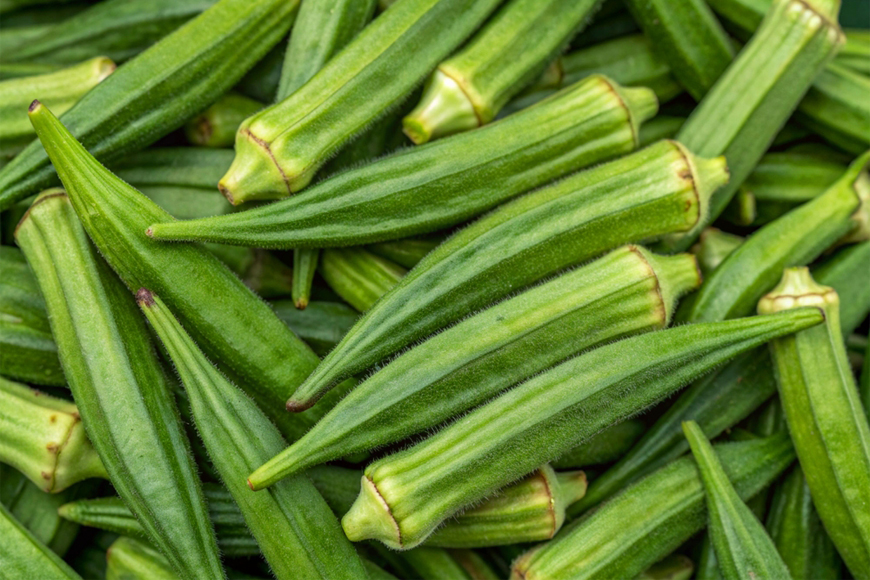
Okra, commonly known as lady finger, is a warm-season flowering plant belonging to the mallow family (Malvaceae), the same family as cotton and hibiscus. It is believed to have originated in Africa, particularly around Ethiopia, and later spread across the Middle East, India, and tropical regions worldwide due to its adaptability to hot climates. The plant grows as an annual herb, typically reaching 1–2 meters in height, with broad, lobed leaves and attractive yellow flowers with a reddish center. The edible part is the immature green seed pod, which is harvested while still tender; if left to mature, it becomes fibrous and tough. Nutritionally, okra is rich in dietary fiber, vitamin C, vitamin K, folate, and antioxidants, making it beneficial for digestion, immune support, and blood sugar regulation. A unique characteristic of okra is its mucilaginous (slimy) texture when cooked, caused by soluble fiber, which is valued in dishes like stews and curries as a natural thickening agent.
In Indian cuisine, it is widely used in preparations such as “bhindi masala,” while in other cultures it appears in dishes like gumbo in the southern United States. Agriculturally, okra thrives in well-drained soil with plenty of sunlight and requires moderate watering, making it a popular crop in tropical and subtropical regions. Beyond its culinary uses, okra has traditional medicinal applications, including aiding digestion and supporting heart health, and its seeds have even been used as a coffee substitute in some cultures.