
Ginger
Ginger
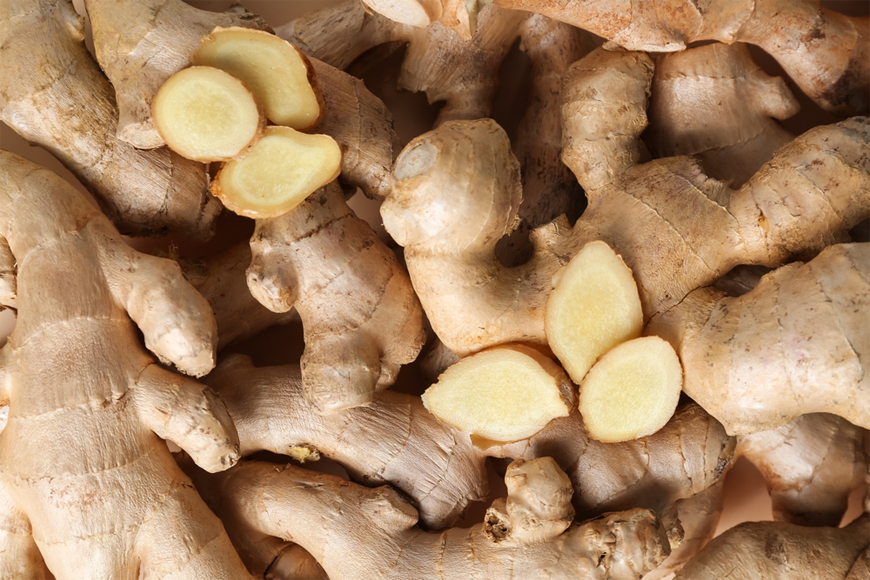
Ginger is a tropical flowering plant whose underground stem, known as a rhizome, is widely used as a spice, medicinal ingredient, and flavoring agent across the world. Native to Southeast Asia, ginger has been cultivated for thousands of years in regions like India and China, where it holds an important place in both culinary traditions and traditional medicine systems such as Ayurveda and Chinese medicine. The plant grows in warm, humid climates with well-drained soil, producing long, narrow green leaves and small yellow-green flowers, though the rhizome is the most valued part. Ginger has a distinctive pungent aroma and spicy-sweet flavor, primarily due to bioactive compounds like gingerol, which are known for their antioxidant and anti-inflammatory properties. Nutritionally, it contains small amounts of vitamins and minerals, but its health significance lies in its ability to aid digestion, reduce nausea, relieve cold and flu symptoms, and support immune function.
It is commonly used fresh, dried, powdered, or as juice in a wide variety of dishes and beverages, including curries, teas, and baked goods. In addition to culinary uses, ginger plays a role in natural remedies, often consumed as ginger tea or mixed with honey for soothing sore throats. Economically, it is an important cash crop in many tropical countries, especially India, which is one of the largest producers and exporters. Its versatility, health benefits, and strong flavor profile make ginger an essential ingredient in both traditional and modern food systems worldwide.