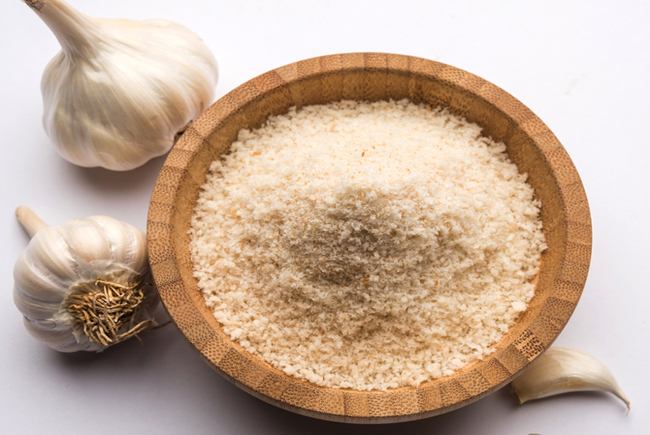
Dehydrated Onion & Garlic
Dehydrated Onion
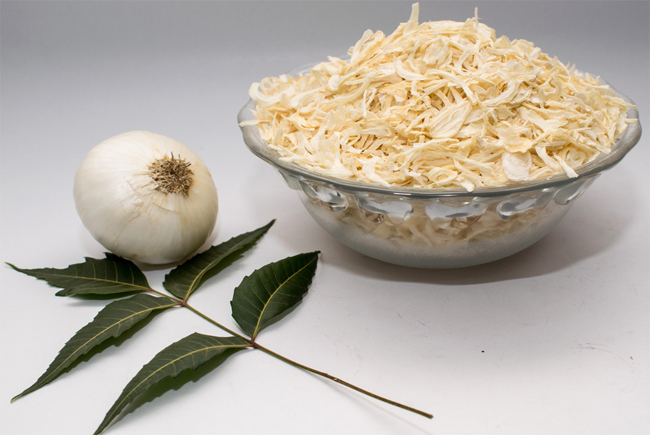
Dehydrated onion refers to onions that have had most of their moisture removed through controlled drying processes such as air drying, freeze drying, or spray drying, resulting in a lightweight, shelf-stable product with concentrated flavor. It is typically made from fresh varieties of Onion, which are peeled, chopped, and then dehydrated to preserve their pungent taste and aroma while significantly extending shelf life. Dehydrated onions are available in various forms, including flakes, granules, powder, and minced pieces, each suited for different culinary applications. Nutritionally, they retain many of the beneficial compounds of fresh onions, such as antioxidants, sulfur-containing compounds, and small amounts of vitamins and minerals, although some heat-sensitive nutrients like vitamin C may be reduced during processing. Their main advantage lies in convenience—they require no peeling or chopping, reduce kitchen waste, and can be easily rehydrated in water or added directly to dishes like soups, sauces, spice mixes, instant noodles, and ready-to-eat meals. Industrially, dehydrated onions are widely used in packaged foods, seasoning blends, and fast-food products due to their consistent quality and long storage capability.
Dehydrated Garlic
Dehydrated garlic is a processed form of garlic in which fresh cloves of Garlic are dried to remove moisture, resulting in a long-lasting, concentrated ingredient widely used in cooking and food manufacturing. The dehydration process typically involves peeling, slicing or mincing the cloves, and then drying them using methods such as hot air drying or freeze drying, which helps preserve much of garlic’s characteristic pungent aroma and flavor. Dehydrated garlic is available in several forms, including flakes, granules, powder, and minced pieces, each suited to different culinary applications. While some volatile compounds may diminish during drying, many beneficial sulfur compounds like allicin derivatives remain, contributing to its antioxidant, antimicrobial, and anti-inflammatory properties. Nutritionally, it provides trace amounts of vitamins and minerals along with bioactive compounds that support heart health, immunity, and digestion. Its primary advantage lies in convenience and shelf stability—it eliminates the need for peeling and chopping, reduces spoilage, and can be easily stored and transported. In cooking, dehydrated garlic is used in spice blends, sauces, soups, snacks, instant foods, and processed products, where it rehydrates during cooking and imparts strong flavor.